2024年4月29日, 作者潘淑 梅的《千年古城~沈阳留痕》出版
出版信息:
中文书名:《千年古城~沈阳留痕》
英文书名:《 The Millenniumm Ancient City Shen Yang Leavslts Traces》
作者:潘淑梅: Shumei,Pan ; Bianhu
澳大利亚宇宙法则出版社
|
2024年4月29日, 作者潘淑 梅的《千年古城~沈阳留痕》出版 出版信息: 中文书名:《千年古城~沈阳留痕》 英文书名:《 The Millenniumm Ancient City Shen Yang Leavslts Traces》 作者:潘淑梅: Shumei,Pan ; Bianhu 澳大利亚宇宙法则出版社
0 Comments
 Dr. William Gong (龚威廉博士)为澳洲意识科学博士,英国皇家学会会员,在人文科学领域,自20世纪90年代中期,龚威廉博士开始致力于宇宙循环周期的以太物理研究,探索光子能量模型和宇宙法则规律。他在意识的属性方面取得了成功,当意识以光速行驶,创造了宇宙间一切事物的存在。 2001年他发现了人类物质和精神领域的基本能量单元--意识单元,从而确立了物质,能量,时间,空间与意识之间的关系。《宇宙的灵性》,主要从以太物理的角度解释我们宇宙存在的的规律和基本法则,以及意识是物质和精神世界结合点,此书在狭义和广义上柔合了科学与灵性的鸿沟。在文化艺术领域,龚威廉博是著名汉英双语诗家,其语言文化精神包括双语诗歌原创和翻译,英文歌曲的原创作词,曾任澳大利亚唯一的华人电视台董事。 在科技金融领域,曾担任澳洲发明家协会副会长,并设计了200年来澳洲华人历史上第一个淘金基金。在健康科学领域,担任澳大利亚天然健康有限公司董事长,从事生物化学的配方以及健康食品的生产制造。在社团领域,担任澳大利亚湖北总商会会长。 海內外文化藝術界,在唐花仙子繫列之二的各卷相继出版後,发來的賀函和賀詞 (悉尼快訊) 近日,由享譽國際的文學藝術大師,高産小説家,多種類的多産詩人,潛能開髮領域的教育專家的羅山作家所撰冩的唐花繫列之二的(首捲)和(第二捲)問世後,海內外文化藝術界髮來的賀函信和高度評價。 這些日,羅山作家收到海內外髮來的賀詞賀函。在中國和日本有多處教學館,並在幾所大學任教的著名書法家熊峰髮來賀函: 祝賀羅山教授撰冩的唐花繫列之二的(首捲)和(第二捲)問世,爲海外的中國學者爭光! 福建農林大學前副校長雷旭東評論: 閱讀這部近九十萬字的巨作,如同走進了神話和童話的迷宮,目不暇接,令人讚嘆。福建企業家陳寧評價:這是一部理想主義,浪漫主義和現實主義結合的較爲完美的宏篇巨製。隨着唐花繫列之二的出版,它的國際影響力正在日益擴大。 香港教授蔡信髮來賀詞:大作出版,可喜可賀。江西詩人,老廠長遊序感言: 這是一部男女老少都喜歡閱讀的巨著,如同瞭望萬花筒,有花仙神童, 紅男綠女,帝王將相和妖魔鬼怪等。哪個年齡層的人都各得其所,饒有趣味。湖北女作家阮惠珍感言: 奇幻,浪漫,想象豐富,情景生動,奇花千樣,妙趣橫生,不可多得的神話佳作。 澳大利亞畫院執行院長夢然老師評論:熱烈祝賀羅山老師八十八萬字唐花仙子繫列之二首捲出版。它是羅老師心血和智慧的結晶!這部書的神話童話故事,不單髮生在中國境內,還涉及到許多國家奇文軼事中的精華,涵蓋在他的書中,包括世界上的許多人文地理故事,知識麵相當廣,相信會引起很大反響,也將産生巨大的影響力,爲老師點讚! 老畫家徐素彬老師,花鳥畫家劉筠碧和肖像畫家潘麗翠老師髮來賀言:祝賀羅山老師唐花繫列之二的首捲和第二捲出版,可喜可賀。悉尼詩人恆心馬美篇專家感言:瀏覽了兩集,文筆流暢,構思巧妙,真佩服您。漢英雙語"疊字花詩"英譯者饒世藻博士評價:這是一部中國現代文學史上了不起的宏篇巨著,將載入史冊。無爭書畫音樂家評論: 這是一部"大師級"的作品。 兒童畫家馨仁老師來函:拜讀了羅山老師的"唐花仙子",的確是神話故事佳作。人物多而個性鮮明,場麵大有畫麵感如看大片。尤其是作者想象力極爲豐富,故事情節跌宕起伏,引人入勝。好的故事情節正是吸引讀者的關鍵之一,這部以十二花仙爲主角的"唐花仙子",猶如一部女版西遊記了。在"唐花仙子繫列之二"的第二捲出版之際,又迎來根據"唐花仙子"節選片段穿插其中的舞劇"夢回古韻" 上演,祝賀羅山老師!真是好事連連,精彩不斷,同時感謝作者爲大家帶來一份精神美味大餐。 唐粉,悉尼文學愛好者張安迪評論: 唐花繫列之二閃亮登場,艷驚四座,開創悉尼文學新紀元,爲脫穎而出的傑作點讚!唐花仙子繫列之二像一聲驚雷,轟動了悉尼文壇。雷聲過後,是一場春雨,滋潤了文學苗圃裡的花草,給悉尼的文學園地帶來勃勃生機,出現一派繁榮的景象。 作家鬍少璋髮來讀後感:羅山兄,拜讀了一段簡介,感覺非常之好,跨度之大延伸至歐洲的意大利。情節生動,故事內容曲折,可讀性強。有讀者,請放心。辛苦有收獲值得,特此讚頌。 夢然老師又髮賀詞和概括性點評: 熱烈祝賀羅山老師的八十八萬字的宏篇巨著,唐花繫列之二的(第二捲)出版髮行。您用您的才智向社會奉獻了一部女版西遊記,並且很快會在文壇展開波瀾壯闊的畫捲,衷心祝賀羅山老師的業績,爲羅山老師點讚! 羅山文學藝術大師簡介 羅山,字喜繁,號東及勝歡居士,出生福建,祖籍廣東客家。先祖來自長安京兆郡。祖父爲晚清秀才,家父的書法文章也錄於書中。 作爲享譽國際的文學藝術大家,他擁有 “高産小説家,人類社會學者,潛能開髮領域的教育專家,劇作家,兒童文學作家,歌詞作家,演説家,社會活動家,多種類的多産詩人”的虛銜。 大學時代,他已被“新加坡海峽詩刊”譽爲“中國詩人”。會拉小提琴和手風琴的他,作詞作曲的兩首兒歌被刊登在省級報刊後,由數所小學合唱團登台演唱。畢業任教期間,撰冩了近二十篇人類社會學的論文,刊登在廣州家庭雜誌和有關的學術期刊上。 轉入報社和雜誌社工作期間,先後採訪了世界首席敦煌學家常書鴻教授,名作家簫乾,杜埃和秦牧,舞蹈家陳愛蓮,歌唱家陳蓉蓉等。報告文學" 北京的波爾代熱公主"在福建青年雜誌刊登後,被香港大公報連續轉載三天。1985年,報告文學“北京的電氣功師富力”在福建華僑雜誌髮表後,在他的指導下,讓這位自學成才的退位清帝的落魄遠親,一年後,成爲廣東和北京第一批的 “百萬富翁”。在國內數十家報刊髮表了三百多萬字作品,包括出版了四部專著。 1990年,受澳洲堪培拉國立大學和阿德雷德兩位教授邀請,來澳參加有關人類社會學相關課題的研究。在墨爾本採訪著名電影表演藝術家達奇後,採訪了瑙魯共和國總統,受總統邀請,在該國參訪一週。2001年,他主持了一場墨爾本華人文藝界兩百多人的晚餐會,會上由中國著名電影表演藝術家達奇和澳廣中文颱著名主持人鬍玫聯袂男女二部 ,深情的朗誦了他的長篇抒情詩“新世紀之歌”。 2003年,他移居悉尼後,在採訪了數十位華社精英的同時,開始着手撰冩“唐花仙子繫列之一”。2011年,“唐花繫列之一”長篇小説出版後,他和悉尼華人舞蹈團一道,將其改編成大型神話古典舞劇。2012年,悉尼海之夢歌舞團,將他的抒情詩“假如有一天”,譜冩成小提琴和鋼琴協奏曲,由二十多位男女演員登颱演唱。 2013年,在大型神話舞劇首演前夕,澳洲前總理吉拉德親冩賀信稱讚,將爲澳中文化交流作出貢獻。隨後,澳廣中文颱和悉尼東方電颱先後採訪了他。同年,他出版了“羅山詩文選”。2016年5月底,唐花大型慈善演出前夕,中國中央電視颱海外華人頻道播報了圖片新聞。演出當天,爲悉尼華人癌症協會籌款數萬澳元。演出後,澳洲中英媒體和中國十多家電視颱和網站作了廣泛的報道。 2016年,他出版了“羅山古體詩選”。2022年,他出版“羅山兒歌選”後,悉尼著名主持人趙立江熱情朗誦了他的三首兒歌代表作和其它詩作。 在過去的三十年, 在墨市和悉尼,他採訪了近百位華社專業人士。在海內外報刊雜誌髮表了五百多萬字(包括五部文學著作)。去年,被國家級的權威機構評定,他2024年出版的 (唐花繫列之二的八十八萬多字)新作,繫青少年兒童文學的啟蒙的藝術寶典,中華文化潛能開髮的智力箴言,和神州神話童話版的導遊指南。 同時,他還擔任亞太文學藝術家聯盟主席,唐花文化國際學院榮譽院長,前澳大利亞中文作家協會會長,唐花文化聯誼會名譽會長,澳大利亞中文讀書會會長,中華創意文化研究院榮譽院長等閒職。 故事梗概: 在神州東海面的太極島百花洲上,有十一朵鮮花在千年仙霧仙露的澆灌下,幻化成具有人形的花仙。她們在獲得雲中老仙所贈的中國古典文化典籍和兵書以後,經過勤學苦練,個個文武雙全,持有法器,可入地下海,騰雲飛天和降魔鎮妖。在一次唐皇夜遊太極島百花洲後,她們在回訪時,正值外國使臣來大唐朝拜。唐皇的愛女文陽公主悄掀屏風,瞧見了英俊的意大利王子。在唐皇的安排下,文陽公主和意大利國王子在後宮亭院裡相見並訴説着情話。次日,唐皇即命牡丹花仙爲驃騎大將軍,率十位花仙組成的大唐送親馬車隊護送文陽公主前往意大利國羅馬城。 意大利國王子在歸國途中被一龍怪打傷後昏迷在路旁,恰遇花仙姐妹們路過將龍怪打跑,救了意大利國王子,把他深藏妥當。文陽公主卻因爲意大利王子的傷勢和昏迷,使她過度悲慟,加上受風寒,而導緻她長期昏迷不醒。 那變色龍怪一心要奪取文陽公主爲‘壓潭夫人’,就假扮意大利國王子一路招搖撞騙,或變換花樣,並指使幾個大小妖怪,不斷襲擾大唐的送親馬車隊。變色龍怪和它的幾個大小妖怪,一次次耍儘陰謀詭計,均被花仙姐妹們識破和擊敗。於是,這場截搶文陽公主的襲擊戰和護衛文陽公主的爭奪拉鋸戰:就從長安城,到熊貓國,金蘋果山,黃河,都江堰,大月國,夜郎國,巨石陣,大洋洲,蜥蜴國,鬼崽嶺,大陽國,鶴峰山,荷花仙塘,珠金國,仙鶴島,雪山國,桃花源,沙漠地下金馬城,五花海,通天樹,九仙湖,那旦國,水鄉澤國,雀鸚山,瘴木國,蝴蝶泉,哨俠山,鷹嘴岩,香格裡拉,象獅山,龍血森林,孔雀河,僖瑪拉國,昆崙虛,西央國,佳斯卡拉神秘洞。唐花仙子們一邊鬥龍怪,一邊跨過死亡海,巧過魔幻靈界山,進入塔吉汗國,越過地中海,登上西西裡島,途經威尼斯,最後抵達意大利國的羅馬城。在意大利國的王宮裡,衆花仙姐妹們趕跑了龍怪。最後,由一路跟隨大姐大的牡丹花仙的小神童,用三味真火大銅圓棒,將那變色龍怪打成龍鱗般的碎片,掉入了埃特納大火山沸騰翻滾熾熱的岩漿裡。 大結局,牡丹花仙派出兩位花仙,將長期昏迷的意大利國王子從神秘洞裡運出,送進了意大利國王宮。新娘文陽公主和新郎意大利國王子兩人均處於昏迷狀態。幾個意大利國王宮禦醫診斷後查無病因。由於事關意大利國王子的性命,無一禦醫敢開出藥方。在這關鍵的時刻,小神童人參娃娃大膽的用銀白山的人參汁先救醒了意大利國王子。 意大利國王子蘇醒後,見文陽公主依舊處於昏迷狀態,悲痛欲絶之時,他猛然想起了羅馬城的維納斯神草。金銀花仙和小神童人參娃娃在王宮附近找到了,在大唐喚作‘馬鞭草’的仙草(即維納斯神草)。意大利國王子親手將維納斯神草熬成的藥湯給文陽公主服下,加上他深情的‘世紀之吻’,讓昏迷了一年多的文陽公主終於醒了過來。最後,在意大利國王和牡丹花仙等十位花仙的証婚下,意大利國王子和大唐的文陽公主喜結連理,成百年之好。 羅山 2024年3月28日 目錄 第1集:太極島上百花洲 第2集:花仙甜憶衆夢鄉 第3集:花仙續憶話夢香 第4集:金黑二龍鬥長安 第5集:黑鬆林中大盤洞 第6集:王子遇襲函谷關 第7集:桑葚村裡桑葚樹 第8集:仙妖過招七彩山 第9集:鯉姑遇救翡翠湖 第10集:四姑娘山熊貓國 第11集:金蘋果山斬貪官 第12集:雪蓮泛舟黃河上 第13集:青城山外都江堰 第14集:花仙巧過野人山 第15集:女兒稱王大月國 第16集:黃果瀑佈夜郎國 第17集:沙窯堡外巨石陣 第18集:魯魯紅岩大洋洲 第19集:珊瑚宮主錄淞島 第20集:天涯海角蜥蜴國 第21集:鬼崽嶺上響天雷 第22集:男兒稱雄大陽國 第23集:鶴峰山下黑龍淵 第24集:雲中仙苑不老仙 第25集:荷花仙塘小鳳仙 第26集:珠金國中戲昏君 第27集:仙鶴島上仙人來 第28集:獨目人犯雪山國 第29集:東國公主那旦國 第30集:黑白熊山對峙歡 第31集:古湖血瀑五花海 第32集:仙女山中桃花源 第33集:妖霧山下騰龍洞 第34集:野花山上百花香 第35集:通天樹上天堂鳥 第36集:黃沙大漠金馬城 第37集:澤國水鄉塑蛙王 第38集:蒿草窪現蒿草人 第39集:貓瓜田裡貓耍妖 第40集:九仙湖畔二十仙 第41集:雀鸚山上仙鬥妖 第42集:南瓜溪旁瓜哥妹 第43集:迷瘴山下瘴木人 第44集:陀羅花精迷貴妃 第45集:哨俠山上樹寶寶 第46集:蝴蝶泉邊雙碟飛 第47集:魔芋霸王魔中花 第48集:鷹嘴金鳳逐火鳳 第49集:黑花霧壇猴麵花 第50集:象獅山上豹來釋 第51集:香格裡拉小噁魔 第52集:羅佈泊傍孔雀河 第53集:龍血森林樹蘿幔 第54集:雪仙僖國遇王子 第55集:佳斯拉卡神秘洞 第56集:詩仙畫聖西央國 第57集:花仙勇闖昆崙虛 第58集:花仙穿越死亡海 第59集:睡蓮妖惑塔吉國 第60集:花仙悄過靈界山 第61集:智鬥西島威尼斯 第62集:仙誅龍怪意火山 图书信息 ISBN: [ISBN: 978-0-6456607-9-1 ] 書名/ Title: 唐花僊子(系列之二)(卷一)(卷二)(卷三) / The Flower Fairies in Tang Dynasty (Series Two)(1) (2) (3) 作者/ Author: 羅山/ Luo Shan 封面設計/ Cover design:海之濤/ John Chang 出版發行/ Publishing: 宇宙法則出版社/ Universal publishing 編輯/ Edition: 2024年 4月/ Apr,2024 总字數: 883,838 版權所有/ All rights reserved: Copyright © 2024 Universal publishing 定價/ Price:AUD $99 购买请电: [email protected] 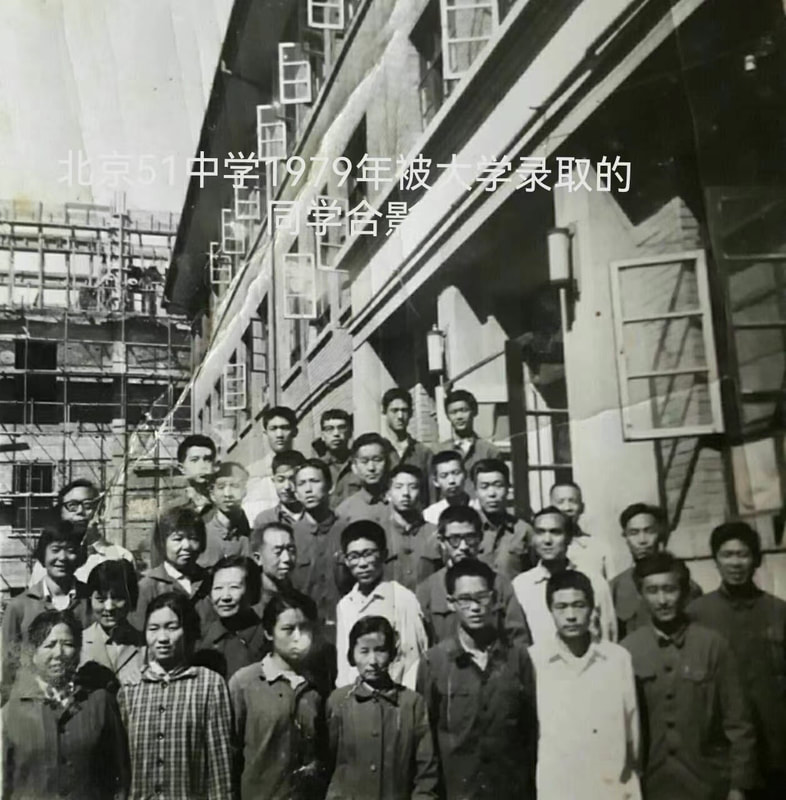 1. 序 2024年2月中,我们北京51中6个群的共150个同学,在微信上讨论选写回忆录,虽然同学们目前居住在全世界上的不同国家,但我们都会在不同的时间内观看手机,用回忆的方式进行畅谈,汇聚文章,以求增进同学之间的情谊,求得永久的思念。 我们相互认识有的是在5-6岁的童年,有的是在中学11-12岁的时候,那时我们都是风华少年,翩翩少女,意气风发,壮志凌云,而今我们都已鬓发花白,年近花甲。 从微信群上同学们不停发来的信息,有的同学正在旅游途中, 遍观祖国大好山河,周围群山峻岭,瀑布溪水和云霞缠绕,他们会不自觉的拿出手机,拍下美景,然后将美颜照片上传。 有的同学正在家中和餐馆与亲人、友人聚餐,把那盛满美食的盘子、杯子展示,然后高兴的品尝和痛饮美酒,任思绪漂流的发几句感言。 有的同学正在影视剧院,娱乐场所和歌厅观看节目,放开歌喉和开怀大笑,浮想联翩而流连忘返。 大家都在一起玩美了,玩High了,还一起创作,分析美文和照片,把那些往日的回忆和图片作为文物收藏,足以让同学们永久的怀念,抒发平时的情感。 征集回忆录正好是在3月春天的季节,万物苏醒,清和气爽。抬头仰望星空,深感宇宙的浩大,环视观察周围,体会万象的繁杂,以选写此回忆集,来抒发胸中的意向,用手机拍照,来让视觉和感觉达到合一,这种愉悦之情达到极致的幻觉,就是我们这些退休同学的人生休闲的乐趣。 人生在这世间,同学间的互相交往,眨眨眼一天就过去了,摇摇头一生就过去了。有的同学性情安静,喜欢在室内写字画画,摆弄花草,谈谈理想和抱负;有的同学性格开朗,喜欢外出爬山踏青,任凭自己的感觉观察自然,寄托心怀。 即使每一个人的志趣和情怀都是不同的,性格也有文静和活泼的,但是当同学们都被目前的校园回忆录的文章激发时,也都会非常的兴奋,都会发自内心感到高兴,都会相互传递早先同学们的聚会照片,以及名字,并把他们汇集成书,同时又感到快乐和满足。 当同学们对那些曾经引起自己兴奋的事物感到远去时,对以往自己迷恋的偶像感到情感失落时,也就会对于人生发自内心的感慨。那些曾经引起自己痴迷和追逐的时光,是那样的短暂,已然成为往日的回忆,而这种叹息都是在迷迷糊糊中产生的。当随着回忆的增多,自己的生命也在一步一步地走向老年。 人的寿命长短是由大自然造化来决定的,有许多以前杰出的同学,目前已经不在人世,而且无论谁的生命长短,最终都免不了会到日暮年终。古人道:“生死有命,富贵在天!”我们是不是都有所感触,而从内心感到阵阵伤痛呢? 每当我们仔细的研读古人的文章时,都会感到古人和今人在情感上的相互吻合,特别是在写同类型的文章时,都会禁不住的叹息和感慨,竟然不约而同的写作手法和方式是完全一样的。 为了让未来人看到今天人的生活,就要把今天同学们的回忆文章会聚起来,将每一个人的情感记录下来,只有文章,也只有文章才能不怕时间的流逝,而得以永存。 这篇回忆集序,是在不知不觉中写完了,因为我常通读古人的文章,写完后竟然感到与古人写的思想和某些观点相合,这就是宇宙的法则。相信人生就是如此,即使古、今、未来的社会不断变化,也引起不同的世道场景的变动,但它的真谛是不会改变的,一定也是大致相同的。 这部作品,基本上是集中大部分同学的共同智慧凝结而成,相信将来的读者,如果看到和读到我们的书,也一定会对我们今天的回忆文章有所借鉴和感悟。 海之涛 ( 2024年3月31日) 2. 跋 通过6个星期的与同学们在78-79届名单、照片和文章上的沟通,终于完成了这一历史的回忆,同学人数大约300多。感谢所有参与编辑的同学们,没有同学们的参与,此书几乎无法完成。 这个书的编写艰难之处在于,全体同学名单是在1973-1974年左右形成,是原始班的安排,距离今天有50年,之后进行过多次插班、转学、并班、再并班的组合,为了高考,又分成文科班和理科班。到后来,几乎一个班,1-2年就变化成新的班和新同学。因为学校已消失,名单也没有了。 许德起老师还专门去了一趟15中学,通过关系看到保管我们原51中学生的档案。当年的学生档案,没有年级学生名单的条目,只有每个人的入学登记表和毕业登记表,基本都是残缺不全。 感谢许老师为此事来回的奔波和辛劳。 还好通过同学们的记忆,基本还原了当年同学的名字。在整理同学名字的过程中,有一些同学只知道名字的发音,但名字的写法可能不一定正确,有些同学还改了名字,或中途转学,充满了一些混乱,但最后还是完成。这就是一个奇迹,要写也是能够形成一个长文,再次感谢所有支持和参与编辑的老师和同学们。 我以前听说过一些学校有同学录的完成,比如北大同学回忆录,但那也就是一个班,很难做成一个年级,因为一个年级有不同的专业,更别说做两个年级。 而今天的我们,是试图做两个年级78-79届,共8个班,真是一个挑战。 大学生回忆录好做,因为水平差不多,都水平高。可中学就不同了,相差甚远。 78届的前4个班,经历的是混乱的班级,老师的无奈、痛苦不安的压力;而79届的后4个班,经历是不断的升学和竞赛的压力。 从前后同学的文章中就能感到,后4个班与前4个班的写作方式不同。 当然了,我们为了使这部回忆录未来成为不朽的经典,也试图对它进行升级,变成一部体验人生的布局书,融入银河系文明体系。希望能在中国的文学历史上留下一页,让人们永远记住北京51中学78-79届,至少子孙后代永远记住它而永垂不朽! 文/ 海之涛 ( 2024年3月30日 ) 3. 后记 我有时是一个非常怀旧的人,我的心愿是重新找回童年的感觉。当年我在51中读书时,因为年龄,男女同学都不说话,我也没有特别注意周围的同学。而现在,当我不断地审视这些同学的图片时,那种感觉是非常的美妙,使我一下子就倒回了少年。 比如这个照片的她叫李文琳,我记得她,我在老师的办公室门前还无意的撞到她身上,可能是走的太急了。她当时就不在乎的对我莞尔一笑,音容笑貌我至今都记得。 可是当我读到沈飞的文章,谈到李文琳同学已去世,我再比对她的照片,才知道原来是她,顿时我就感到内心难过。还有同学们谈到的那些已经过早去世的同学,比如王树荣、任罡、李晓东等,他们在51中时是那么的优秀。他们的离去,都使我们的这个集体感到无比难过和缅怀。还有一些优秀的老师,如安亚东老师、赵继祥老师等,他们独特的教学方法和音容笑貌,一直都留在我们的心中。 51中是我中学学习起步的摇篮,很多同学我都见过,只是对不上姓名,当我慢慢地按照姓名比对照片时,就全部找到了她们当年的音容和笑貌。那些老师和同学,都是围绕我当年学习和玩耍的时空环境,我一直怀念他们。 文/ 海之涛 (2024年3月29日 ) 4. 目录 前言/ 与银河系文明相合回忆集序 校长和教师照片编辑 78届一班精汇 / 一. 一班全体名单 二. 一班照片编辑 三. 一班文章精选 1, 孟昭君(3篇) 2, 陈晶(2篇) 78届二班精汇 / 一. 二班全体名单 二. 二班照片编辑 三. 二班文章精选 1,曹蓓(1篇) 2,张宏鸣(1篇) 78届三班精汇 / 一. 三班全体名单 二. 三班照片编辑 三. 三班文章精选 1,杨艳萍(2篇) 2,黄金玉(1篇) 78届四班精汇 / 一. 四班全体名单 二. 四班照片编辑 三. 四班文章精选 1,沈飞(7篇) 2, 陈钢(3篇) 3, 王清波(1篇) 4, 徐建华(1篇) 79届五班精汇 / 一. 五班全体名单 二. 五班照片编辑 三. 五班文章精选 1,许德起老师(1篇) 2,赵焕菊(1篇) 3,孙喜林(1篇) 79届六班精汇 / 一. 六班全体名单 二. 六班照片编辑 三. 六班文章精选 1,聂涛明(8篇) 2, 余洪(4篇) 3, 张利民(2篇) 4, 陈淑英(1篇) 5, 王俊英(1篇) 6,荀淑英(1篇) 7,赵玉明(1篇) 8,宋瑞怀(1篇) 9,宋路(1篇) 79届七班精汇 / 一. 七班全体名单 二. 七班照片编辑 三. 七班文章精选 1,蔡景丽(4篇) 2, 张涛(3篇) 3, 刘荣玲(2篇) 4, 陈维平(2篇) 5, 付冰(1篇) 6, 杨志红(1篇) 79届八班精汇 / 一. 八班全体名单 二. 八班照片编辑 三. 八班文章精选 1,梁音(6篇) 2, 严秀琪(5篇) 3, 张来起(3篇) 4, 贾永清(2篇) 5, 周清昭 (1篇) 跋 / 附录一 附录二 后记 5.书籍信息 国际书号/ISBN: [ 978-0-6456607-7-7 ] 书名: 50年后的再相聚- 北京51中学78-79届校园回忆录 Title:Memoirs of Beijing No. 51 Middle School 主编:海之涛 Chief Editor: John Chang 出版:宇宙法则出版社 Publishing: Universal publishing 6. 本书特别鸣谢 北京51中78和79届主要参与编辑的 同学和文章作者: 一班:陈晶,樊长江,孟昭君,任淑仙,吴雅琴,马春英, 赵兰英,李桂芬,李继华 二班:曹蓓,吴荷萍,王煜焕,任玫,张宏鸣 三班:黄金玉,杨艳萍,刘丽,蔺秋红,张润兰 四班:王清波,沈飞,顾小明,陈刚,连少军,徐建华 五班:许德起老师,厚兰英,赵焕菊,杨承柯,孙喜林, 张洁 六班:陈淑英,王俊英,余洪,聂涛明,张利民,荀淑英, 赵玉明,宋瑞怀,宋路 七班:陈维平,刘荣玲,蔡景丽,付冰,杨志红 八班:严秀琪,贾永清,周清昭,梁音,张来起 這本書的內容來源於我和我爸爸關於客家的對談。 對談始於2010年10月。開始時的話題天馬行空。慢慢地,我被他的客家舊事深深地吸引了,於是開始了全方位地了解他的成長故事。我們的對話基於一問一答的形式。我的問題喚醒了爸爸深層的記憶。他的兒時故事如泉涌出。 爸爸的回答讓我認識了‘客家’這個獨特的民系群體。他的記憶及故事屬於那群人,那個時代和整個中華民族。 我和爸爸的對談一直持續到他生命的彌留之際。在他離去的那一刻,我想到了“生生不息”。 我不是在為爸爸寫傳記。一個人渺小如微塵。何況爸爸隻是一個平常人,沒有建立過什麼豐功偉績。 我寫的是爸爸記憶裡的一群人,在一個民族生死存亡的時刻凸現的韌性和堅持。這群人叫客家人,他們在歷史的長河裡或滾轉浮沉,或振臂遨游。隻要一息尚存,就堅持到底,絕不放棄。 這是一部客家人的鄉土故事。這個故事跨越一千六百多年。故事裡的人物並不完美。他們不是家喻戶曉的大英雄,隻是一些草根階層的人,被命運左搓右捏,有的甚至被折磨得變了型。但他們的生命力卻像犀牛一樣頑強,他們不畏蒼海桑田的千年巨變,一代代承前繼後。在劣境中緊握命運的巨輪,破蛹化蝶,鳳凰涅盤。這個故事的中心點是爸爸在梅縣成長的十七年。這十七年不同尋常,歷經抗日戰爭,解放戰爭和中華人民共和國成立。爸爸用童真的眼見証了那個動蕩年代的廣東客家地區的風(時代,傳統和習俗)土(地貌出產,衣食住行)人(五代客家人)情(天情,地情,人情,鄉情,友情,母子情,兄弟情和兒女情)。 此書的創作經過三個階段。第一稿根據爸爸的故事及我二伯梁常(爸爸的二哥)的《華南舊事》詩選設計了全書的架構。爸爸的梅縣舊事有栩栩如生的人物以及特定的場景、地點和時間。他是一個徹頭徹尾的樂天派,遙遠的年代卻替他的記憶染上傷時感事的懷舊色彩。 爸爸有出神入化的記憶力,他的故事時序性很強,按着時間的順序記錄下來就成了全書的經。全書跟着時間為主線推進,從十二個方位去描述這一群人朴實無悔的血汗人生。梅縣的河流縱橫交錯,有主流有支流,有合有分,支流匯入江河,江河匯入大海。這本書的十二個章節也是如此,或平行共進,或交叉相錯。各個章節相互相承。 第二稿着重於歷史考証和索源。我不是歷史學家,沒有對爸爸記憶中的人和事作過嚴謹的考究對証。他的記憶可能會與歷史有出入。但記憶之偏差自然有它的背景和道理。他離開梅縣時還不到十九歲,童年和少年時代的他自然隻會觀察事情的表面,不會去尋找它們發生的根源。可幸的是他這不加猜度、偏袒和注解的記憶比純粹的歷史更加有血有肉。更好讓讀者根據自己的人生經歷為其中的人和事下自己的注腳和評判。第二稿的工作不是為了考証爸爸記憶的正確性,而是在尋找答案:是什麼歷史原因使故事裡的人作出那樣的人生決策?我的好奇心引發了我的考証和索源。在互聯網裡的考証進行得很疏散,可能經不住歷史學家們的推敲。 第三稿是文學創作稿。爸爸的故事很多時候隻是一些碎片,將它們拼湊起來組成了一個骨架,卻存在很多空白處。遇到他記憶中的模糊處和斷裂層,我根據自己對那段歷史及人事的理解,大膽地用我的想像與虛構去填補細節和空白。這些創作成了此書的緯。經緯之間實中有虛虛中有實。真亦假時假亦真。我編織的細節可能還原歷史真相,也可能與歷史失之毫厘,繆之千裡。 爸爸記憶中的這一群人沒有改變歷史。他們本身就是歷史,其人性和血性代代相傳。隨着時光的洪潮,這群人前仆後繼,譜寫着那部屬於他們的沒有休止符的史記。這群人的人性光芒超越地域和時代。 “子夜”和“零時”是同一個時間點,是結束也是開始。是陰陽生死的交接點。書名由此而來。 希望這段與爸爸的對談能夠印証歷史。在一個危機四伏的時代,國家、民族、家族和個人必須合力抗爭,破釜沉舟,把握生機,圖強求變。 序 悠悠碧空惹人醉,晨风唤醒日晖。古今中外多少事,仗剑亦无悔,英雄心无愧。 富甲一方本无罪,忤逆天下何为。披肝沥胆悍日月,美不让须眉,气不输显贵。 这部小说的完成已经有一段时日了,今日决定整理出版,以纪念那些难以忘怀的青春岁月,纪念那些并肩前行的伙伴们。献给我们曾经充满希望与梦想的过去。 目录 女法官小说 前言 / 14 第一章 拍案而起 / 15 第二章 押上性命的较量 / 30 第三章 满地荆棘 / 49 第四章 道是无情却有情 / 80 第五章 风雨兼程 / 101 第六章 坚守 / 120 第七章 灵魂的歌者 / 129 第八章 面向阳光 / 143 第九章 真爱绵绵无绝期 / 172 第十章 灵魂之约 / 179 跋 / 183 女法官诗情 1、雪落的声音 / 187 2、悟 / 189 3、悲的喜的悲喜交织着的 / 191 4、醉了 / 194 5、寻找 / 196 6、长夜漫漫 / 199 7、生之梦 / 201 8、不说痛 / 203 9、永远有多远 / 205 10、不说再见 / 207 11、下雨天 / 208 12、远离尘嚣 / 210 13、单行线 / 211 14、给我 / 212 15、无言 / 214 16、永远 / 215 17、前世今生……写给《宿命》/ 217 18、给心点一盏佛灯 / 218 19、逝者如斯 / 220 20、正能量 / 222 21、写首诗吧,在这样的夜晚 / 225 22、烟雨深处 / 228 23、漂流 / 230 24、我想像鹰一样飞得更高 / 232 25、新娘 / 234 26、山河歳月 / 237 27、愿与自然谈山水,不与世人论是非 / 239 28. 从未走远 / 241 29、我向往 / 243 30、执着 / 245 31、远行 / 248 32、只盼疾风知劲草 / 250 33、那一股清流 / 252 34、回归 / 254 35、负重前行 / 257 36、雾色苍茫 / 259 37、我喜欢 / 263 38、我想 / 266 39、我可以活得像那只鸟吗 / 269 40、你们在争什么 / 272 41、生命的韵律 / 275 42、诱惑 / 277 43、我们知道 / 279 44、我们是三只小小鸟 / 281 45、惊 / 284 46、我老了 / 286 47、未知的世界 / 288 48、沉寂 / 290 49、云的深处 / 292 50、那一抹淡淡的忧 / 293 51、在雨里 / 295 52、光 / 296 53、月夜 / 297 54、相信阳光 / 298 55、背影 / 299 文 / 阎 真 那天,老同学尹锋发来微信,请我为其即将出版的散文集《天涯行吟》作序,我未加思索就答应了。 尹锋长期从事计算机专业科研与教学工作,发表过不少专业论文和论著,有扎实的文字功底。他和妻子退休后为陪伴女儿旅居澳洲,其足迹遍布澳洲的每一个州(省份)和几乎所有的大城市,还参加了很多文化活动。他边走边看边写,忠实地记录了自己的所见所闻,抒发了热爱自然热爱生活和思念祖国的情怀。在同学微信群里,他曾经陆续发布过一些作品,我读过一些,感觉很好。 澳大利亚位于南半球,距离中国非常遥远,对我们来说,是名副其实的“天涯海角”。其生态环境和自然风光非常优美,到处是蓝天碧海,绵绵沙滩,森林草地,飞禽走兽,除此之外,还有丰富独特的人文景观。这一切都成了尹锋笔下的多彩画卷。 文集中的游记类文章,不仅对澳洲壮丽的自然景色和特有的人文景观进行了较为细致地描写,而且同时表达出他对自然、对历史、对人生的关注和思考。 例如,《神奇的乌鲁鲁》描述观看日落美景那一章写道:“夕阳完全坠下了地平线,天边的火烧云渐渐回归了洁白。傍晚的天空并不阴暗,而是有一种明丽的蓝色,原野在夕阳的照射下,染上了一层薄薄的红晕。夕阳的余辉染红了乌鲁鲁周边的云彩,还替它们镶上了亮晶晶的花边,像铺开的一幅瑰丽的锦缎……暮色暗淡,残阳如血,它的最后一抹余晖映照在千里荒原,乌鲁鲁与周边淡黄的草木融为一体。我虔诚地伸出双手,想要托起夕阳,拥抱乌鲁鲁。” “自成年以来,我看过无数次日落。每次看日落,总有英雄迟暮的些许惆怅。在太阳落下地平线的那一刻,心里就有一种失落的滋味。难怪古人面对夕阳晚霞写出了那么多千古名句,如‘古道西风瘦马,夕阳西下,断肠人在天涯’,‘大漠孤烟直,长河落日圆’,‘浮云游子意,落日故人情’等,这些诗句道出了作者面对夕阳黄昏时的一种独特的情思,或给出一种壮丽的凄美,或给出一种宏阔的意境,或给出一种高远的景象,或给出一种苍凉的惜别。” “我沉思片刻,须臾之间,乌鲁鲁日落景观,从绚丽化为淡然,由七彩归于苍茫。远处的山脊、高台、草木、巨石,逐渐模糊起来,茫茫荒原笼罩在金色的寂静里,犹如一幅抽象的水墨画,最后化为宝石蓝天幕下的一具硕大的剪影。站在乌鲁鲁面前,我自觉何等渺小?!” 书中描写乌鲁鲁的日落情景,非常壮观,别有情趣,且情景交融,有一种把读者带入游览现场的魅力,令人折服。文集中的游记有许多这样优美的字句,值得赞赏! 优美的游记能带给人们自然景观的美丽或人文景观的特有风味,散发出特殊的清扬与风情。品读优美的散文,读者能在优雅韵味的艺术氛围中体味大自然的博大胸怀、感悟人生的真谛,能陶冶性情、升华境界。读《塔斯马尼亚纪游》、《墨尔本之旅》、《难忘菲利普岛》、《五进蓝山》和《悉尼赏樱》等游记就能给我们带来这样的感受。 例如:《塔斯马尼亚纪游》中的《漫步古镇里奇蒙》一章有这样一段描写:“我一路赏景,一路拍照,一路沉思。打开镜头,那些被昔日殖民者和囚徒们披星戴月敲碎的长河烟云,散落在今天的小镇中,经过时光流水的洗磨,显得如此优雅静美。古桥、教堂和监狱等众多历史遗迹和美丽风光,让这个小镇充满魅力。我们在这里感受到时光倒流的乐趣和历史变迁的沧桑,享受着世外桃源的优雅和旅游闲适的浪漫。”可见,尹锋的记游散文并非单纯的游山玩水之作,而是内涵丰富、寓意深刻的文化散文。 澳大利亚是一个发达的资本主义国家,其社会制度基本移植英国。综观200多年来的澳大利亚发展史,其现代社会的形成、建设与发展是西方文明在澳洲本土化的产物与结果。随着这种本土化的进程,产生了颇有特色的澳大利亚本土文化。 文集中有部分篇章对澳大利亚本土文化进行了客观真实的描述,从某些侧面反映了澳大利亚的文化特色。譬如,《令人艳羡的澳洲海滩休闲文化》、《精彩纷呈的悉尼同性恋狂欢节》、《足以挑逗你视觉和味蕾的悉尼咖啡节》、《颇具特色的风情小镇--卡通巴》、《随访悉尼大学图书馆》、《重访新州美术馆》、《观瞻悉尼巴哈伊灵曦堂》、《你逛过跳蚤市场吗》、《很有意义的祖父母节婚庆活动》和《别致有趣的企业亲子活动》等。这些文章视野开阔、经纬纵横,热情恣意,遣词讲究,给人以清新流畅之感,同时,还能让读者获得一些知识和启发,值得一读。 不同于许多西方国家,澳大利亚建国以来,逐步推行多元文化。随着华人华侨占澳洲总人口比例逐渐提高和中国综合国力的增强,中华文化在澳洲文化丛林中占有一席之地且有着越来越大的影响。 文集中的《谊园行》、《悉尼尽染中国红》、《在悉尼情人港逛灯会》、《又逛唐人街》、《游访北悉尼重镇车士活》和《客居悉尼第一餐》等文章从多个角度多个层面对中华文化在澳大利亚的发展与影响进行了描述。读了这些篇章,人们将对中华文化在澳洲的拓展及影响有较多的了解。华人移民或华裔澳大利亚人作为一支重要力量,积极参加了澳大利亚多民族国家的构建和文化多元主义民主政治的发展,并且与澳大利亚其他族群一起试图超越种族偏见、民族偏见、阶级偏见而成为具有多重身份认同的、地地道道的“世界公民”或“地球人”,突破民族或阶级的樊篱而向共享人道、休戚与共的人类共同体升华。 作为成功推行多元文化的国家,澳洲的饮食文化也呈现多元化。据说在这里,可以吃到全世界100多个国家和民族风味的精美食品。文集中有好几篇文章涉及饮食文化。譬如,《客居悉尼第一餐》、《墨尔本之旅----首吃铁板烧》、《景食兼美的渔人码头》、《在悉尼吃半米长的披萨》、《锦绣海湾品味早中餐》、《相聚“小湖南”》和《足以挑逗你视觉和味蕾的悉尼咖啡节》等。作者在当地除了品尝各国美食外,尤其喜欢家乡美食,家乡美食中包涵着浓浓乡愁。 作者在《相聚“小湖南”》一文中写道:“世界上只有吃得厌的山珍海味,没有吃得厌的家常菜。任何菜系,无论是鲁、苏、川、粤,还是浙、湘、闽、徽,其源头都是家常菜。家常菜是千万百姓日积月累的创造,是食品文化长河大浪淘沙后留下的金子,是天涯游子永远的思念。初到悉尼,我们曾经到处寻觅正宗的湘菜,到处打听哪里有常德钵子菜、岳阳鱼席、湘西酸辣、湘南山珍、湘中牛杂,浏阳蒸菜、邵阳猪血丸子、东安仔鸡和攸县血鸭等等?哪里有常德米粉?长沙臭豆腐?遗憾,至今未有答案。湘菜里有的,还是乡味,不仅滋润舌头,更滋润心田。也正因如此,对湘菜的期盼,既有湘情,更有乡愁。” 乡愁,是无数海外游子萦绕心间难以排遣的情怀。作者在文集里,无论是记叙旅游,还是描述参加文化活动的感受,经常有思乡情怀的抒发。 例如,《悉尼尽染中国红里》文中写道:“走出国门,身居海外,才知道春节年味最浓的地方不在中国而在海外、不在故乡而在悉尼!这里的华人祖祖辈辈传承着中华文明,继承了春节习俗,华夏民族的欢乐节日气氛深深地感染着来自不同国家和地区各种肤色的人们。”《悉尼赏樱》写道:“赏樱归程中,坐在车里,我无心关注窗外的景致,闭目养神,樱花的美容娇态和赏花的惬意情景不时浮现在脑海里。我想起了许多往事,想起了故国家园,我不禁吟诵起李煜的《谢新恩》:樱花落尽阶前月,象床愁倚薰笼。远似去年今日,恨还同。双鬟不整云憔悴,泪沾红抹胸。何处相思苦,纱窗醉梦中......”在《谊园行》一文中,作者写道:“如果不看园外的高楼大厦,真有一种穿越时空,回到中国某一座城市花园的感觉。花园中,凉亭假山,层叠错落;湖泊瀑布,流水汤汤;曲桥花草,相映成趣;水阁画廊,飞檐硫瓦;杨柳依依,婷婷荷花。迎香园、龙壁、莲香水榭亭、双子亭、清景亭、石林和各色盆景扑入眼帘,充分彰显出典雅的江南园林风情,营造出闹市花园的诗画景致,让你在异国他乡感受到浓浓的华夏气息。”这些描写,不仅是浓浓乡愁的排遣,更重要的是把乡愁升华到对民族对祖国和中华文化的深深热爱。 作为散文,可以歌颂大自然和人类社会的美好,可以尽兴表达作者的认知和抒发作者的情怀,但仅仅停留在这些层面肯定还不够,还需要有更多的内涵。我感觉到,无论是旅游,还是参加别的文化活动,尹锋在写作中善于通过景色或场景的描写,拓展自己的思维角度,在荡漾的情怀中表达出理性的寻觅与探索,从而给读者以联想的空间和有益的启示。 《天涯行吟》收录了作者50余篇游记和参加文化活动类文章,无论篇幅长短、内容各异,它们都是作者旅居澳洲一路走来的生活纪录,反映了作者的人生感悟及对澳洲自然现象、文化现象和社会现象的思考,带给读者“行万里路,读万卷书”的愉悦和启迪。书中的很多文章,作者都能以优雅的文字,精美的表述,丰富的想象,构造出一幅幅与天地通灵、与万物交心的优美意境,在我心中千緾百绕。每当我读到这些篇章就觉得是人生的一种乐趣和享受,心底里有一种精骛八极、心游万仞的欣喜和畅快。 散文写作要取得大众认可且得到行家赞誉,非一日之功,需要长时间的耕耘、积累与沉淀。我们有理由期待,尹锋旅居澳洲,会在饱览异国风光的同时,继续耕耘,努力创作,逐渐形成个人特色,为读者奉献出更多更好的文学佳品。 2023年6月2日 【注:阎真,毕业于北京大学,现为中南大学文学院教授,博导,湖南省作家协会副主席。出版长篇小说《曾在天涯》、《沧浪之水》、《因为女人》、《活着之上》和《如何是好》五部,其中《沧浪之水》已经重版100多次。另出版《小说艺术讲稿》等理论著作三部。】 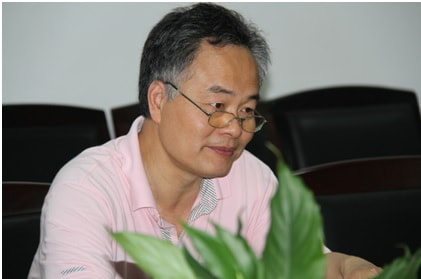 文/郭志宏 《医灯夜话》第一辑下周就将面世了,《医灯夜话》第二辑已在路上。 正如我编撰《当你老了》一样,我了解卢正平医生的心情,用自己一生的努力和心血,去完成一部可以帮助世人的书,这是此生一大幸事。爱与修行有很多种,我以为这也是一种爱与修行,也是一种普世价值。 人生有很多种活法,有人追名逐利,有人好高骛远,有人富甲一方,有人权倾天下。也有一种人,以治病救人为已任,求解万民之疾苦,虽一介布衣,却胸怀大爱。我以为,卢正平和我身边的很多医生就是属于最后这类人,虽默默无闻却废寝忘食。 因为他们的存在,温暖着这个世界。 注:应卢正平医生的要求,所有购书款请存入出版社: Name:sea voice BSB :062184 A/c:10570753 取书请短信与0409270900郭志宏联络 订书情况如下: 王洁文:1本 jake朱:6本 Amely Guo(11503):5本 Alvin Li:5本 Freda:1本 Zhihong Guo:2本 梦梦:2本 john c:1本 顾律师:1本 姚兰:1本 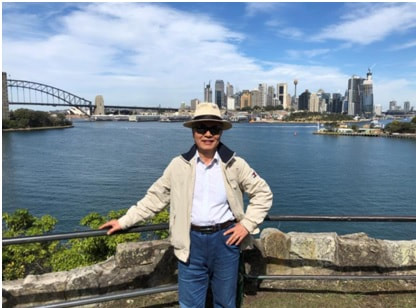 上世纪 60 年代最后一个盛夏,我出生于鄂西北一个偏远的小山村。听我妈妈说,我的出生略带一点儿仪式感,爷爷奶奶看到生的是个女儿,乐得合不拢嘴巴,尤其是七十高龄的爷爷欢喜得口水直往下淌。我妈解释说,我父亲辈乃三兄弟,我大伯父家已有两个孙子和两个孙女都远在省城居住,二伯父家比我早出生的堂哥也长住县城,轮到我出生才 有了家族里“以女为贵”的欣喜。我现在想,兴许是年迈的爷爷奶奶身边终于真正拥有了儿孙绕膝的活力与情趣,才如此兴奋不已吧。 我的整个童年得益于山水的滋养和奶奶的呵护,深山的闭塞、野蛮与孤独也给我小小的心灵涂抹上一层淡淡的忧伤。我十岁那年冬天,因为爷爷的故去,大伯父迟迟才从遥远的省城赶回,未能亲自为老父送终,先回家的二伯父生气中带着不安与愧疚。之后,三兄弟一商量,决定将我们全家搬到离二伯父所在的县城郊区居住。 奶奶和我们四姐弟随父母于第二年阳春四月的日子,荡着悠悠的山风,经过翻山越岭,长途奔波,终于移居到二伯父和二伯母安顿好的县城北区定住了下来,之后又在他们的操持下迁居到县城里居住,直到我们姐弟四人依次结婚生子。 我从那个纯粹安静的小山村走出来之后,白天可以在飘荡着汽油味的城市与城郊边缘来回,夜晚还能在细雨中的街灯下干净的柏油马路上行走,这无疑满足了我童年的诸多喜悦、好奇、奢求与渴望。与此同时,时间的遥控器始终没有忘记掌控我的生长,我一天天远离着 奶奶眼里那个纯净得宠的小孙女,依次变成了大姐,变成长女,变成人妻、人媳、人母,最终变成无法掌控的自己。我开始纠结于市井里越来越杂乱的喧嚣,越来越无趣的欢悦。我的童年情结太重,不会在热闹的人群中自寻欢乐,表达自我,总想独自借文字抒发点什么,只有那些偶尔见过了世面的“豆腐块”方能给我内心带来真正的欢喜。 我做了一个长长的出走计划,开始是一个人暗自行动,再慢慢说服身边最亲近的人,然后尝试去影响围绕着我生活的亲人们。期间也有矛盾挣扎,也有艰辛复杂,更有徘徊、迷茫与不舍。不过,最终我还是在非典的那个新春佳节独自成功出走。 闯入花城,深陷文字,至今。 雪之源 2023 年 3 月 于中国广州 当你老了…… 网上最近在疯传一些老了、残了的人的视频,各种评论甚嚣尘上。最近几年,我的公司sea voice pty ltd 增加了一些老年人、残疾人服务的项目,我和两位志同道合的业内朋友成立了以医疗、养老、残疾人服务为主的Love and love pty ltd。 老年及残疾人服务这一行业是一个政府投资比较大的行业,我们工作人员的工资收入绝大部分是由政府支付的,澳大利亚政府在老年人、残疾人服务方面是非常精准和全面的,澳大利亚政府不仅不会让老年人和残疾人流落街头,更不会让他们为老与病烦忧,政府拔巨款为他们提供良好而安全的服务,因此,这个行业的盈利和从事这个行业的员工的收入也相对比较稳定。当然,在澳大利亚从事这一行业的门槛相对比较高,目的还是要高水准地服务好这个社会最弱势的群体即老年人和残疾人。 检验一个社会的好与坏、人性化与否,不是对权势的仰慕与敬畏,而是对弱势群体的保护与尊重,自此,我会从不同角度、不同侧面全面介绍一下澳大利亚的养老与残疾人服务的相关问题,有需要这方面的服务与咨询的朋友或者符合资质、想提供这方面服务的朋友可以短信预约联系我们公司。主要联系人:Liang Fu(0452190299)。 衰老是我们每个人都必须面对的问题,我希望,我们所有人在经过了一生的奋斗之后都能优雅地老去,至少有尊严地老去。 我们不仅要关心灵魂不要走丢,也要关心肉体不要垂暮,也许我们无法实现生之梦,但至少我们可以竭尽全力学会如何让自己有尊严地慢慢变老。 ---------------------------------------- 书籍信息: ISBN: [ 978-0-6456607-0-8 ] 书名/ Title: 当你老了/The moment you are aged 编著者/ Author & Editor: 郭志宏/ Zhihong,Guo 封面设计/ Cover design:郭志宏/海之涛 出版发行/ Publishing: 海之声出版社/ Sea voice publishing 宇宙法则出版社/ Universal publishing 编辑/ Edition: 2022年 12月/ Dec,2022 字数: 91,885 版权所有/ All rights reserved: Copyright © 2022 Sea voice publishing / Universal publishing 定价/ Price:AUD $32 --------------------------------------------------------------------------------- 书籍目录: 前言 当你老了……/ 7 朋友,我会为你笔耕不辍/ 9 序 爱像一首歌 … 写在《当你老了…》出版之前/ 15 一、澳大利亚的养老服务(Aged Care )/ 17 二、国家残疾人保险计划(NDIS)/ 22 三、这是一个具有较强的专业素质和爱心的队伍/ 45 四、老年人和残疾人是一个特别的群体/ 49 五、不敢变老……/ 65 六、守护健康,远离痴呆/ 94 七、老年痴呆症的症状/ 97 八、老年痴呆症的预防/ 100 九、有效预防老年痴呆的几点建议/ 107 十、 给老年痴呆症照顾者(service provider) 的建议/ 129 十一、老年痴呆症的护理方法/ 136 十二、居家养老的相关政策法规/ 145 十三、善待自己/ 150 十四、照顾好自己/ 153 十五、关于居家护理计划/ 156 十六、居家护理计划资金的使用/ 161 十七、关于如何安全有效地给老人洗澡的问题/ 165 十八、关于澳大利亚的养老院/ 169 十九、怎样挑选和申请养老院呢?/ 173 二十、养老院提供的基础服务/ 176 二十一、澳大利亚政府允许一些养老院为老人提供自己付费的特别的设计/ 179 二十二、私营支持型养老院(SRF)/ 181 二十三、SRF(私营养老院)的服务/ 184 二十四、在澳大利亚老年人对于My Aged Care应该掌握的相关信息/ 187 二十五、根据澳大利亚政府的相关文件,关于家庭护理(home are)的分包服务需要了解的相关问题/ 192 二十六、不能阻止岁月,我们能做什么?/ 200 二十七、照顾好长者/ 203 二十八、活出一种精神/ 217 二十九、走出焦虑、恐惧、忧郁和愤怒/ 219 三十、为什么要走出焦虑、恐惧、忧郁和愤怒/ 222 三十一、如何走出焦虑、恐惧、忧郁和愤怒/ 224 三十二、Ageing and Aged Care……澳大利亚划时代的养老护理计划/ 241 三十三、如何申请澳大利亚无犯罪证明/ 248 三十四、关于基因/ 252 三十五、关于宿命/ 255 三十六、未讲完的故事/ 257 后序/ 297 购买书籍联系郭志宏 Snow <[email protected]> |
Author世界各地作家 Archives
May 2024
Categories |
 RSS Feed